

 What is smart farming ?
Compared to traditional agricultural production methods, smart farming offers the advantages of high controllability, high efficiency, and high resource utilization :
First, smart agriculture can actively monitor changes in farmland, weather, irrigation, fertilizers, and other factors, predict weather, pest infestations, and other natural disasters, and make timely adjustments to ensure that the growing environment and conditions for crops are in good condition, thereby improving crop yield and quality.
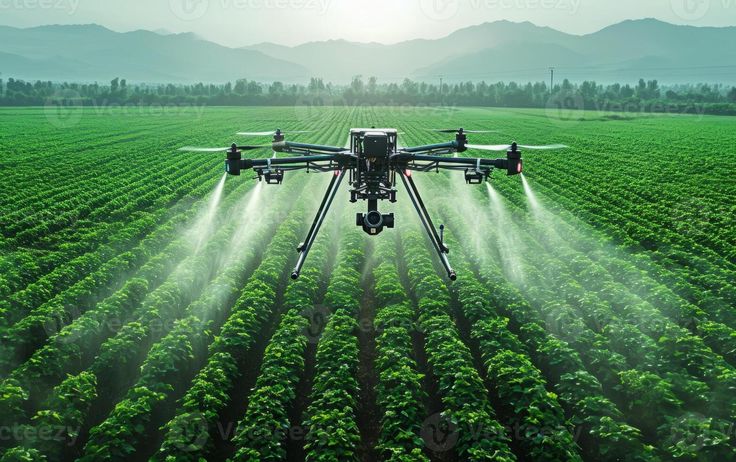
Secondly, smart agriculture can use a variety of automated equipment to achieve precise spraying and application of pesticides, fertilizers, and water-fertilizer integration, reducing waste of agricultural resources, improving implementation efficiency, and saving agricultural production costs.
Finally, smart agriculture benefits from high reliability of digital control, the use of Internet of Things (IoT) technology for the entire agricultural production process, digital records and management, real-time monitoring and analysis of planting locations, types, fertilizer use, crop growth, and sales market demand, which can be a good way to keep resources and improve production efficiency.
Smart agricultural solution for modern farming
Providing environmental monitoring and facility control services
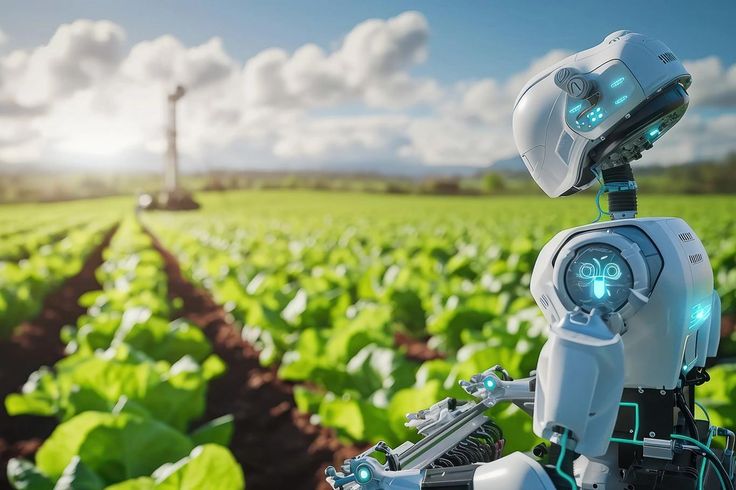
Agricultural environmental monitoring systems and equipment provide environmental monitoring and facility control, maintaining an optimal crop growth environment. Smart farming involves precisely managing inputs based on variations in field parameters to optimize yields while minimizing environmental disruption, thus providing a smart farming solution. It is well known that climate is one of the most important agricultural parameters, determining plant growth and yield.
Each plant is sensitive to certain growing conditions, such as air temperature, relative humidity, soil temperature, wind, and light. It is therefore essential for farmers to understand the climate conditions on their farms. Using a real-time weather monitoring system is one of the most effective ways to provide farmers with up-to-date climate information and knowledge to improve crop management. It is also a smart farming solution for crop temperature monitoring.

Ready to transform your industry ?
Our experts are available to assist you with your digital transformation projects, tailored to the specific needs of your industry.
