
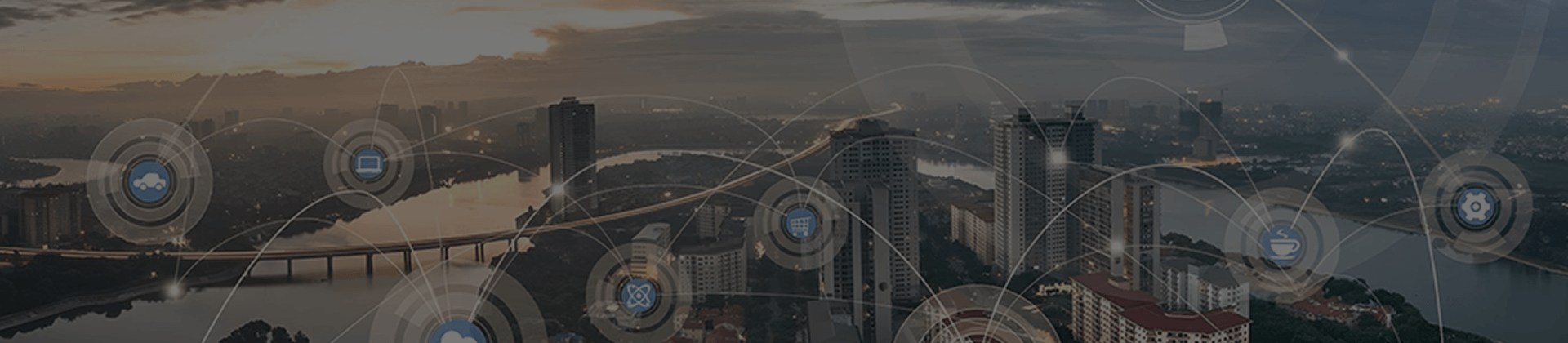
The role of IoT (Internet of Things) in smart cities covers various applications that have a direct impact on how a city operates. Common use cases include:
 Smart traffic management
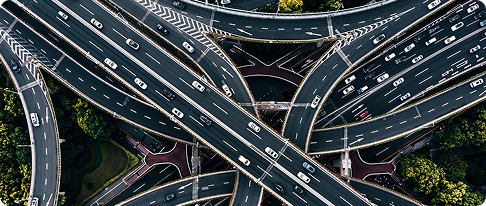
IoT devices such as sensors, cameras, and GPS technology can monitor and manage traffic flows, reduce congestion, and optimize public transport routes in real time. This can lead to significant reductions in vehicle fuel consumption and emissions, contributing to the city's sustainability goals.
Smart grid and energy management
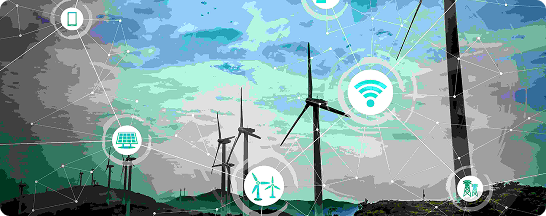
IoT-based smart meters and grids enable energy consumption to be monitored and optimized. These systems ensure efficient energy use, enable better demand forecasting, and can even integrate renewable energy sources more seamlessly. For example, smart lighting systems use IoT to automatically dim or brighten streetlights based on the time of day or weather conditions, reducing energy consumption.
Smart waste management
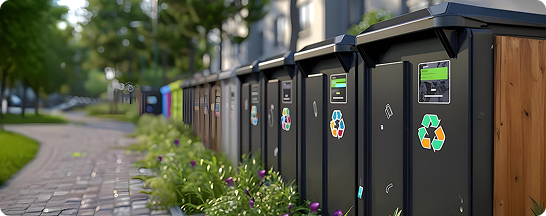
IoT sensors can detect when trash bins are full and optimize waste collection routes, reducing costs and environmental impact. Smart waste management systems also reduce landfill use, improve recycling rates, and decrease the carbon footprint of waste collection trucks.
Controlled Environment

IoT sensors placed at various locations throughout the city can monitor air quality, noise levels, and other environmental factors. This data enables informed decisions to be made regarding public health and environmental policies, such as when to issue air quality alerts or restrict vehicle use during periods of high pollution.
Smart healthcare
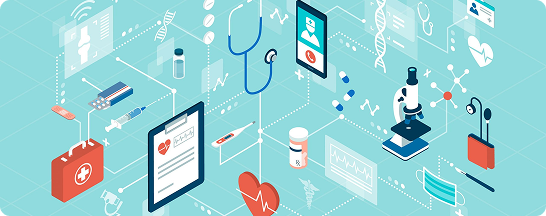
IoT devices in healthcare, such as wearable fitness trackers and remote monitoring systems, enable continuous patient monitoring. Hospitals and clinics can optimize patient care, reduce readmission rates, and improve overall healthcare services. In addition, telemedicine and virtual health consultations powered by IoT can expand access to healthcare, particularly in underserved communities.
Smart infrastructure maintenance
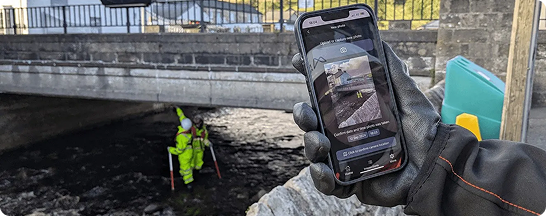
IoT sensors equipped with AI capabilities are increasingly being used to monitor and maintain urban infrastructure. From bridges and roads to water and electricity networks, predictive analytics detects potential failures way before they occur. By analyzing data in real time, cities can plan rapid repairs, reduce maintenance costs, and prevent catastrophic failures.
Enhanced public safety
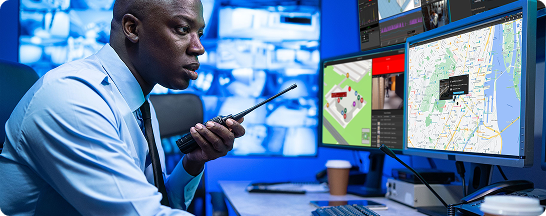
IoT systems are revolutionizing public safety by integrating real-time data from sensors with advanced analytics. Examples include IoT-connected cameras with AI for facial recognition and anomaly detection, as well as gunshot detection systems. IoT technologies enhance public safety by enabling real-time tracking of personnel and rapid response in emergencies.
Ready to transform your industry ?
Our experts are available to assist you with your digital transformation projects, tailored to the specific needs of your industry.
